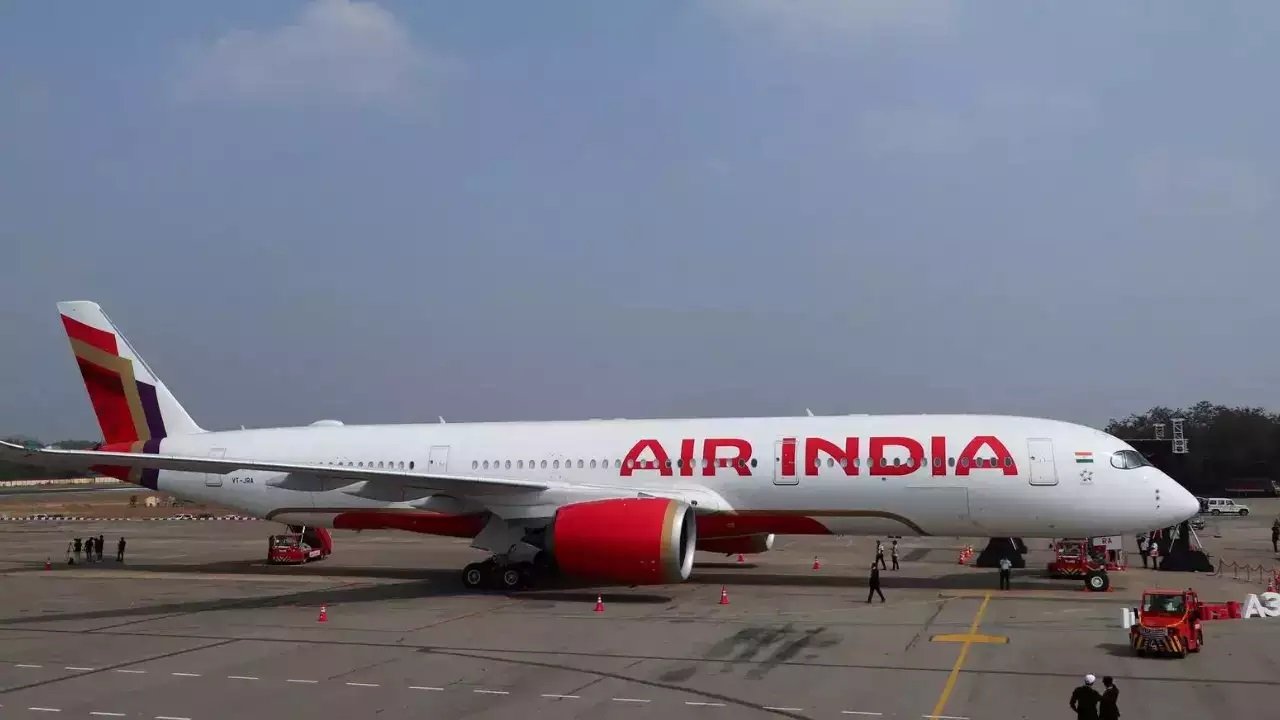
Air India Suspends Tel Aviv Flights Amid Escalating Middle East Tensions
Air India Suspends Tel Aviv Flights Amid Escalating Middle East Tensions
Air India Suspends Tel Aviv Flights Hey, travelers and global news buffs! If you’ve been following recent developments in the Middle East, you might have noticed Air India’s big decision to suspend flights to Tel Aviv. This move has stirred up a lot of chatter, especially given the region’s turbulent history. So, what’s driving this decision, and what does it mean for travelers, businesses, and the broader geopolitical landscape? Let’s break it down together.
The Geopolitical Backdrop
Historical Context
The Middle East has long been a cauldron of conflict, with a complex tapestry of historical, religious, and political tensions simmering for decades. The Israeli-Palestinian conflict remains a focal point, with both sides embroiled in a struggle over land and sovereignty that dates back to the early 20th century. This ongoing tension has seen periods of intense violence, global diplomatic interventions, and numerous, albeit unsuccessful, attempts at peace.
Recent Escalations
Recently, hostilities have ramped up again, with violent clashes, protests, and military operations becoming more frequent. This spike in violence has prompted international concern and led to travel advisories from various governments, urging caution in the region.
Air India’s Decision
Why Suspend Flights?
Air India’s decision to suspend its Tel Aviv flights wasn’t taken lightly. The primary concern cited was the safety of passengers and crew amid the escalating conflict. This suspension highlights the unpredictable nature of the region and the potential dangers associated with travel there.
A Cautious Approach
According to Air India officials, the situation will be reviewed regularly, and flights will only resume when it is deemed safe. This approach underscores the airline’s commitment to passenger safety, reflecting a proactive stance in response to the volatile geopolitical climate.
Impact on Passengers
Travel Disruptions
For many passengers, this suspension is a significant disruption. Travelers who had planned visits to Israel now face cancellations and have to scramble to find alternative routes. For business travelers, the suspension adds another layer of complexity, as many rely on these flights for seamless connectivity between India and Israel.
Tourism Concerns
Israel, with its rich historical and cultural heritage, attracts a significant number of tourists each year. The suspension of direct flights by a major carrier like Air India could deter potential tourists, impacting the local tourism economy.
Broader Implications
Economic Impact
The suspension of flights could have a ripple effect on trade and commerce between India and Israel. Business engagements, joint ventures, and other economic activities may slow down, affecting bilateral relations.
Diplomatic Relations
This measure also highlights the delicate balance of diplomacy. India has historically maintained good relations with both Israel and Palestine. However, the escalating conflict forces India, and other countries, to navigate a complex diplomatic landscape, balancing security concerns with diplomatic relations.
Aviation Industry
For the aviation industry, this suspension is a stark reminder of the risks posed by geopolitical conflicts. Airlines operating in volatile regions must constantly assess risks and prioritize safety, which often leads to operational disruptions.
Historical Context of the Conflict
Early 20th Century Roots
The Israeli-Palestinian conflict has deep historical roots, with both groups claiming the same territory. Over the decades, numerous attempts at peace have been made, yet the region remains fraught with tension and periodic violence.
Recent Developments
The current escalation is part of this long-standing conflict. Both sides have engaged in military operations, and the international community often steps in, calling for ceasefires and negotiations. However, a lasting solution has remained elusive.
Safety Concerns and Precautions
Airline Safety Measures
For airlines like Air India, safety is paramount. The decision to suspend flights reflects a proactive approach to protect passengers and crew. In volatile regions, airlines must be aware of potential threats and act quickly to mitigate risks.
Real-Time Monitoring
Airlines monitor geopolitical developments in real time using intelligence and satellite data to assess threats. This allows them to make informed decisions about flight routes and schedules.
Coordination with Authorities
Close coordination with aviation authorities and international bodies ensures that airlines receive timely updates and guidance on how to operate safely.
Communication with Passengers
Effective communication with passengers is essential. Airlines must inform passengers of potential disruptions and provide alternatives to minimize inconvenience.
Future Prospects
Potential Resumption
The future of Air India’s Tel Aviv flights hinges on the evolution of the conflict in the Middle East. If tensions ease and signs of stability return, the airline may resume operations. This depends on several factors, including diplomatic efforts, ceasefire agreements, and the broader geopolitical environment.
Adapting to Change
For now, travelers and businesses must adapt to the changing landscape. Alternative routes and carriers may fill the void left by Air India’s suspension, but the situation underscores the inherent uncertainty of global travel, especially in conflict-prone regions.
Conclusion: Navigating the Uncertainties
Navigating the complexities of the Middle East requires a delicate balance of safety, diplomacy, and adaptability. Air India’s suspension of Tel Aviv flights is a stark reminder of the region’s volatility and the broader implications of geopolitical conflicts on global travel. While this decision may cause inconvenience, it underscores the airline’s commitment to passenger safety and highlights the unpredictable nature of international relations.
Final Thoughts
As we keep an eye on the evolving situation in the Middle East, it’s essential to stay informed and flexible. Whether you’re a traveler, business professional, or simply a global citizen, understanding the broader context of these decisions can help you navigate the uncertainties and make informed choices. Stay safe, stay informed, and always be prepared for the unexpected in this ever-changing world.
Read More: Nasdaq Enters Correction Amid Recession Fears: Navigating the Market Turbulence