IND vs SL 2nd ODI: How Sri Lanka’s Middle-Order Brilliance Set Up a Challenging Total
IND vs SL 2nd ODI: How Sri Lanka’s Middle-Order Brilliance Set Up a Challenging Total
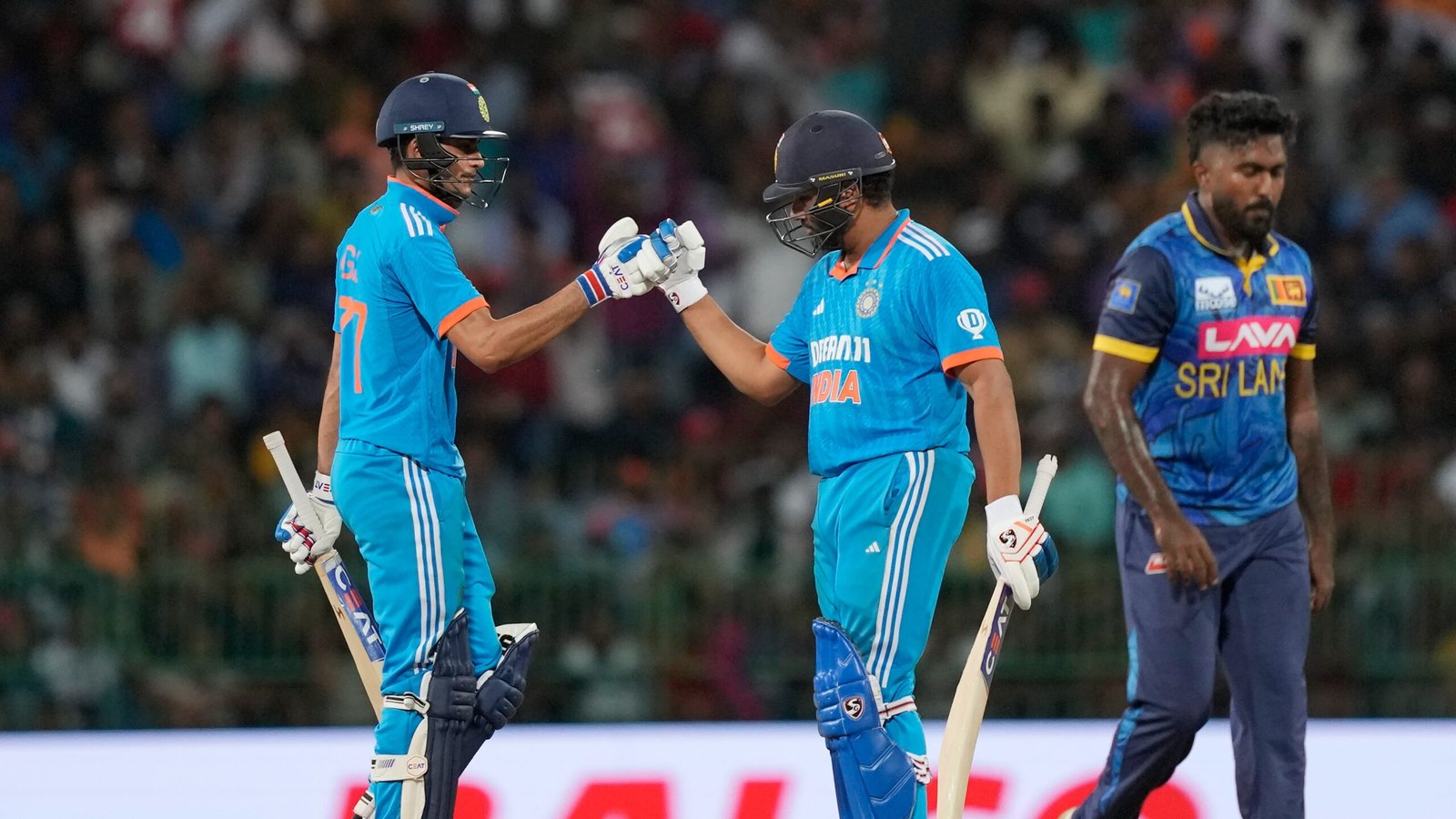
IND vs SL 2nd ODI : Cricket fans witnessed an exhilarating second ODI between India and Sri Lanka, filled with twists and turns. Despite India’s strong bowling attack, Sri Lanka’s middle-order showed resilience and determination, posting a challenging total of 240 runs. Let’s dive into the match details, analyze key performances, and explore the strategies that made this encounter memorable.
Toss and Pitch Conditions
Decisive Toss Win
Sri Lankan captain Charith Asalanka won the toss and opted to bat first, hoping to exploit the pitch conditions which were expected to become more spin-friendly as the game progressed. This decision aimed to put pressure on India with a competitive total on the board.
Sri Lanka’s Batting: A Rollercoaster Ride
Early Setbacks
Sri Lanka’s innings started with a jolt as Mohammed Siraj bowled a perfect outswinger to dismiss Pathum Nissanka, who was caught behind by KL Rahul. This early wicket put Sri Lanka on the back foot, but a partnership between Avishka Fernando and Kusal Mendis helped stabilize the innings.
Spin Web
The introduction of Indian spinners Washington Sundar and Kuldeep Yadav turned the tide in India’s favor. Both bowlers utilized the conditions expertly, making run-scoring a daunting task for the Sri Lankan batsmen. Sundar’s 3/30 and Kuldeep’s 2/33 were instrumental in slowing down the run rate and taking crucial wickets.
Middle-Order Resurgence
Crucial Partnership
With Sri Lanka struggling at 136 for six, the middle-order duo of Dunith Wellalage and Kamindu Mendis forged a crucial 72-run partnership for the seventh wicket. Their resilience and ability to find gaps under pressure were key to Sri Lanka’s recovery.
Key Contributions
Wellalage scored a fighting 39 runs, while Kamindu Mendis contributed 40 runs. Their partnership provided much-needed stability and momentum, helping Sri Lanka reach a competitive total.
Indian Bowling Dominance
Seamers Strike Early
Siraj’s early breakthrough set the tone for India’s bowling performance. However, it was the spinners who stole the show, with Sundar and Kuldeep weaving a web around the Sri Lankan batsmen.
Fielding Prowess
India’s fielding effort was a mix of brilliance and missed chances. Virat Kohli’s sharp catch to dismiss Sadeera Samarawickrama was a highlight, while Shivam Dube’s dropped catch off Kamindu Mendis was a missed opportunity.
Key Moments
Siraj’s Early Breakthrough
Siraj’s dismissal of Nissanka with a perfect outswinger was a crucial moment, giving India an early advantage.
Middle-Order Fightback
The partnership between Wellalage and Kamindu Mendis was the turning point for Sri Lanka, showcasing their ability to handle pressure and score crucial runs.
Spin Dominance
Washington Sundar and Kuldeep Yadav’s effective spells in the middle overs restricted Sri Lanka’s scoring and put pressure on their batsmen.
Player Performances
Washington Sundar
Sundar’s figures of 3/30 highlighted his skill and control. His ability to exploit the spin-friendly conditions was crucial for India.
Kuldeep Yadav
Kuldeep’s 2/33 complemented Sundar’s efforts. His variations and accuracy made it difficult for the batsmen to score freely.
Dunith Wellalage
Wellalage’s composed innings of 39 runs were vital for Sri Lanka’s recovery. His partnership with Kamindu Mendis was crucial in setting a competitive total.
Strategic Insights
Sri Lanka’s Batting Order
Sending Avishka Fernando at number two was a strategic move that paid off. His partnership with Kusal Mendis provided stability early in the innings.
India’s Bowling Changes
Rohit Sharma’s decision to introduce spinners early proved effective. The spinners’ performance justified this decision, highlighting the importance of tactical bowling changes.
Challenges Faced
Sri Lanka’s Struggle Against Spin
Sri Lankan batsmen struggled against the quality spin bowling of Sundar and Kuldeep, highlighting a need for better strategies to handle spin.
India’s Death Bowling
India’s seamers struggled in the final overs, allowing Sri Lanka to add valuable runs. Improving death bowling remains a key area for India.
First ODI vs. Second ODI: A Comparison
Sri Lanka’s Improvement
Sri Lanka’s middle-order showed significant improvement from the first ODI. Their ability to build partnerships and score under pressure was a positive sign.
Consistency in Bowling
India’s spinners maintained their consistency, but the seamers need to tighten their performance in the death overs to prevent conceding runs.
Looking Ahead: Third ODI Expectations
Sri Lanka’s Approach
Sri Lanka will aim to improve their approach against spin and focus on building partnerships. Their bowlers will look to replicate their performance from the first ODI.
India’s Adjustments
India will focus on improving death bowling and maintaining their spin dominance. Strengthening the middle-order batting will be crucial for a comprehensive performance.
Conclusion
The second ODI between India and Sri Lanka was a testament to the unpredictable and thrilling nature of cricket. Sri Lanka’s middle-order resilience and India’s spin dominance made for an exciting contest. As the series progresses, both teams will aim to build on their strengths and address their weaknesses, promising more captivating cricket for fans.
Read More: Manu Bhaker’s Quest for Olympic Glory: Can She Secure a Historic Third Medal at the Paris Games?
Final Thoughts
Cricket’s charm lies in its unpredictability, and the second ODI was a perfect showcase of that. Sri Lanka’s middle-order fightback and India’s spin mastery highlighted the sport’s dynamic nature. As we look forward to the next match, cricket enthusiasts can expect more thrilling moments and intense competition.