Maharashtra Flood Crisis: Chief Minister Eknath Shinde Leads Relief Efforts in Pune
Maharashtra Flood Crisis: The recent deluge in Maharashtra, particularly in Pune, has put the region on high alert. With heavy rains leading to the release of large volumes of water from local dams, Chief Minister Eknath Shinde has taken charge, ensuring that all necessary measures are being implemented to mitigate the impact. This article delves into the flood situation, the government’s response, and the collective efforts to safeguard the residents of Pune.
The Rain’s Wrath and Rising Waters
Heavy Downpour and Dam Water Release
Pune has been experiencing incessant heavy rains, causing significant water release from the Khadakwasla Dam. On Sunday evening, 45,000 cusecs of water were discharged into the Mutha River basin, creating a flood-like situation. The irrigation department has since reduced the dam’s water release to 65%, following predictions of continued heavy rainfall from the Indian Meteorological Department (IMD).
Chief Minister’s Immediate Action
Eknath Shinde’s Prompt Visit
Chief Minister Eknath Shinde quickly responded to the crisis, scheduling a visit to Pune to assess the situation firsthand. He has emphasized the importance of a coordinated response and has directed authorities to remain vigilant and ready to evacuate residents if necessary.
Emergency Response and Rescue Operations
Deployment of Rescue Teams
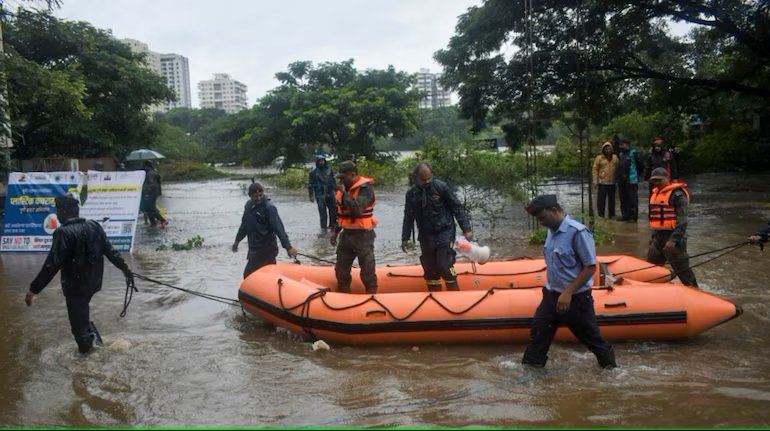
To combat the rising floodwaters, two columns of Army personnel, along with teams from the National Disaster Response Force (NDRF), State Disaster Response Force (SDRF), fire department, and Pune Municipal Corporation, have been deployed. These teams are working tirelessly to ensure the safety and well-being of Pune’s residents.
Forecast and Precautionary Measures
IMD Warnings and Safety Advisories
The IMD has forecasted heavy rains for several districts in western Maharashtra, including Pune. Authorities have issued warnings about potential flooding in low-lying areas and are advising residents to take all necessary precautions to stay safe.
Impact on Local Communities
Areas at Risk and Safety Protocols
Residents in areas such as Baner, Sinhagad Road, Warje, Dandekarpul, and Patil Estate Slums have been particularly affected. Despite the severe conditions, local officials have confirmed that schools and colleges in Pune will remain open, as the situation is currently under control.
Role of Municipal Corporations
Proactive Measures by Pune and Pimpri-Chinchwad Municipal Corporations
Both Pune and Pimpri-Chinchwad Municipal Corporations have been proactive in issuing warnings and providing updates about the flood situation. Their efforts have been instrumental in keeping residents informed and prepared.
Community Response and Resilience
Residents’ Role in Crisis Management
In the face of this natural disaster, the resilience and solidarity of the Pune community have been remarkable. Local residents, community leaders, and volunteers have come together to support each other, demonstrating the power of collective action.
Long-term Solutions and Preparedness
Planning for Future Disasters
While immediate relief efforts are critical, there is also a pressing need for long-term solutions to prevent such crises in the future. This includes improving water management practices, enhancing infrastructure, and implementing effective early warning systems.
Environmental Impact and Climate Change
Understanding the Broader Implications
The increasing frequency and intensity of heavy rains and floods can be linked to broader environmental challenges such as climate change. Addressing these issues requires a comprehensive approach, focusing on sustainable development and proactive measures to mitigate climate change impacts.
Government and Citizen Collaboration
Working Together for a Safer Future
The collaboration between government authorities and citizens is essential in navigating through natural disasters. By working together, we can build a more resilient society capable of withstanding the challenges posed by such events.
Conclusion
The recent floods in Pune underscore the urgent need for effective disaster management and preparedness. Chief Minister Eknath Shinde’s leadership, combined with the efforts of various rescue teams and the resilience of the community, highlights the importance of swift and coordinated action. As we continue to monitor the situation, it is crucial for everyone to stay informed and for authorities to remain vigilant. By fostering a culture of preparedness and resilience, we can better protect our communities from future natural disasters.
Read More: Vicky Kaushal’s Bad Newz Box Office Journey: An Unexpected Setback
Final Thoughts
In these challenging times, the spirit of community and the strength of our collective efforts are more important than ever. As Pune faces this flood crisis, let us continue to support each other, stay informed, and work together towards a safer and more resilient future.